How to Prepare Staff for a Temporary Fire Protection Outage in Commercial Buildings
A temporary fire protection outage can turn an ordinary workday into a high-risk period faster than most building teams expect. It does not matter whether the interruption comes from scheduled work, a repair, a tenant improvement project, or an unexpected failure. Once a sprinkler system, fire alarm component, fire pump, or related life safety equipment is offline, the margin for error gets thin.
The buildings that handle these moments best are rarely the ones with the fanciest systems. They are usually the ones with prepared people. Staff know what is down, how long it may be down, who has been notified, what areas are affected, and what temporary precautions are in place. That kind of calm does not happen by accident. It comes from planning, practice, and clear communication.
In the Denver area, this matters even more because code enforcement, permit review, and fire prevention oversight are not abstract ideas. Denver adopts the International Code Council building and fire code suite with local amendments, and the local authority having jurisdiction, often the fire marshal, fire chief, or building official, has the power to inspect buildings and life safety systems. If a system is disabled or not functioning, building teams should expect that to be taken seriously. Good preparation is not just operationally smart. It supports fire code compliance Denver property managers and owners are already responsible for.
Start with the plain truth about the outage
One of the biggest mistakes I see is softening the message. A team says the system is “being worked on” or “temporarily unavailable,” but staff never hear the words that matter most: a fire protection system is impaired, and normal protection is reduced.
That message needs to be direct without sounding dramatic. People do not need panic. They need usable information. If the fire alarm is down in one area, say so. If commercial fire sprinkler systems Colorado tenants rely on are shut off for a portion of a floor during work, say that clearly. If a fire pump is out of service pending repair or fire pump testing Colorado requirements, explain the practical impact in plain language.
The goal is to make the outage real enough that people change behavior. They prop fewer doors. They report hazards faster. They take housekeeping more seriously. They avoid hot work unless it is truly necessary and properly managed. They stop assuming the building will automatically catch every problem before it grows.
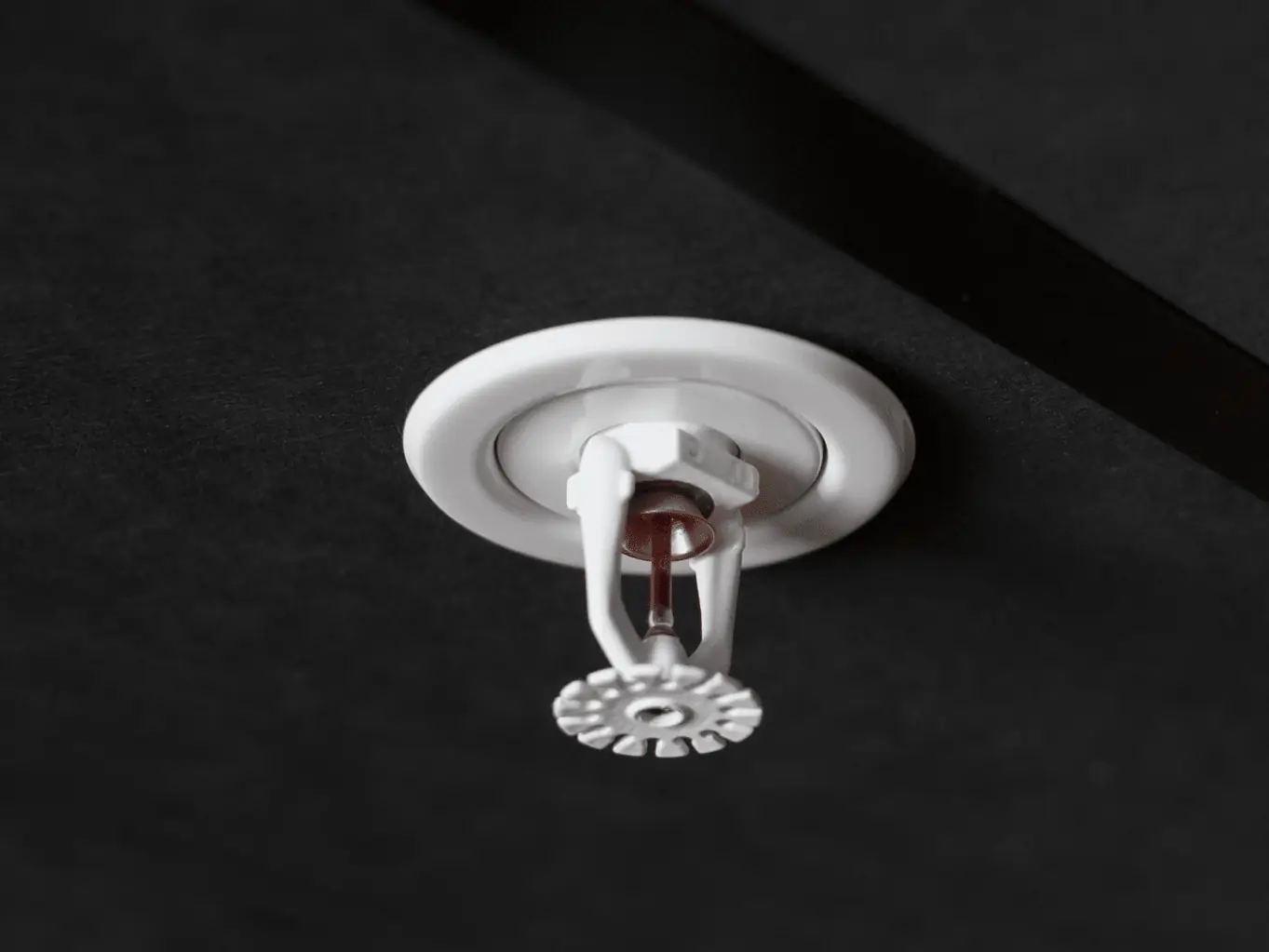
This is where wording matters. I have seen experienced facilities teams frame an outage in one short sentence that staff immediately understood: “For part of today, the building will not have its normal level of automatic fire protection in the affected area, so we need everyone to follow temporary safety instructions exactly.” That lands better than a page of technical jargon.
Every outage has a people side and a code side
Commercial buildings often focus first on the technical scope. Which valve is closed? Which panel is offline? Which contractor is coming? Those are important questions, but they are only half the job.
The other half is operational control. Denver’s Fire Prevention Division is authorized to inspect buildings, equipment, and life safety systems, and can investigate disabled or nonfunctioning fire protection systems. That means a temporary outage is not something to handle casually or quietly. Depending on the situation, the authority having jurisdiction may need to be involved, and building teams should follow the applicable local process.
That local process matters during planned construction as well. In Denver, tenant finish and alteration work can involve permits for plumbing, fire suppression, and fire alarm systems. Fire alarm and sprinkler-related work is tied to permit review and inspection during construction and remodeling. So if an outage is tied to tenant improvement fire protection Denver projects, the building team should not treat it like routine maintenance with no outside consequences. It may be part of a larger permitted sequence, and staff need to understand that the disruption is controlled, documented, and temporary.
A good rule of thumb is simple: if a life safety system is reduced, the response should become more disciplined, not less.
Train staff by role, not with one generic message
Not everyone in the building needs the same instructions. A front desk attendant, chief engineer, tenant office manager, and janitorial supervisor each see different risks and control different behaviors. Sending one broad email and calling it training usually leaves the important gaps untouched.
Front desk and security staff need to know how to answer the first ten questions they will hear. Which areas are affected? Who has been notified? Are occupants allowed to remain? What should someone do if they smell smoke or see a problem? If the normal alarm reporting path is affected, they need an approved backup communication method.
Engineering and maintenance staff need a tighter operational brief. They should know system status, outage boundaries, expected duration, contractor contacts, permit context if applicable, and what documentation is being created. If the issue involves fire alarm system maintenance Denver building teams have scheduled, there should be no confusion about who has authority to place equipment out of service and who can restore it.
Tenant-facing staff need practical direction. Tenants rarely want a seminar on standards. They want to know whether operations can continue, what restrictions apply, and what signs of trouble should trigger an immediate response. This is especially true during remodeling. A tenant improvement project can change occupied routes, add temporary barriers, and create dust, noise, and confusion. If those changes coincide with a fire alarm panel upgrade Colorado contractors are performing or sprinkler modifications under permit, the chance of mixed messages goes up fast.
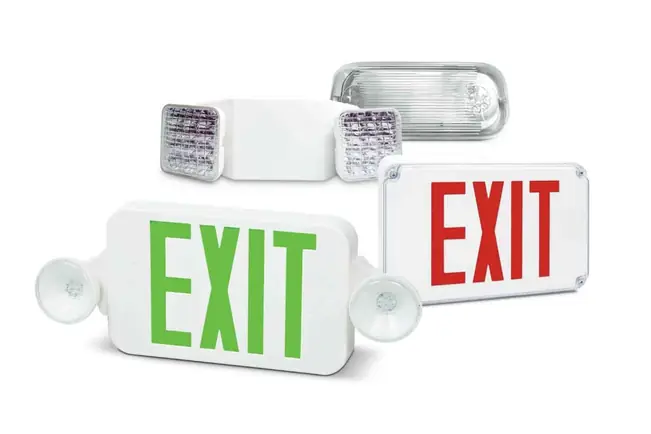
Janitorial and after-hours teams are easy to overlook, and that is a mistake. They often work when the building is quieter, when fewer managers are present, and when an issue can grow unnoticed. They should know the outage status, restricted activities, and who to call if anything seems off.
Explain what is affected, and what is not
People make bad assumptions when outage boundaries are vague. If a notice says “fire system outage on level three,” one person may assume only one suite is affected, while another assumes the whole building is compromised. Precision matters.
Use everyday language. Say whether the issue affects the fire alarm system, sprinkler protection, standpipe-related water-based systems, a fire pump, or another component. NFPA 72 is the core standard for fire alarm systems, including installation plus inspection, testing, maintenance, and emergency communications systems. NFPA 13 covers the design, installation, and acceptance testing of automatic sprinkler systems. NFPA 25 covers inspection, testing, and maintenance of water-based fire protection systems, including sprinkler systems, standpipe systems, fire pumps, and water storage tanks. Staff do not need chapter numbers, but building leaders should understand that these are structured, recognized areas of work, not improvised tasks.
It also helps to say what remains in service. If one zone is affected but the rest of the building remains protected, that is useful information. If part of the notification system is down but other life safety measures remain active, say that too. Clear boundaries reduce rumor, and rumor is one of the fastest ways to lose control of a temporary impairment.
Temporary precautions need to be visible and real
When a system is offline, staff should see evidence that the building is compensating. If the response is invisible, people assume nothing has changed. That is when shortcuts creep in.
The exact precautions depend on the outage, the building, and local requirements, so it is not wise to invent a one-size-fits-all script. What I can say from experience is that precautions should feel concrete. Supervisors should be present. Affected areas should be clearly identified. Combustible clutter should be reduced, not tolerated. Staff should know who is monitoring conditions and how concerns are escalated.
A lot of this comes down to behavior. During a normal week, people may ignore a blocked corridor for an hour. During a temporary outage, that same blocked corridor should get immediate attention. During a normal week, a staff member may wait until the afternoon to report a strange electrical smell. During an outage, that report should move to the front of the line. Temporary impairments call for a temporary tightening of standards.
I have seen this make a measurable difference in how staff respond. In one office setting during scheduled work, the building team held a five-minute standing briefing at the start of each shift and repeated one simple point: “If you notice heat, smoke, burning odor, or unusual system behavior, report it now, not later.” That short reset changed the tone of the day. Staff became more observant without becoming anxious.
Keep documentation ready before anyone asks for it
There is a practical side to outage preparation that many teams neglect until the last minute: paperwork. Inspection reports, deficiency notices, maintenance records, test documentation, permit-related records, and certification paperwork should be organized and easy to produce. That is smart operations even when no one asks for them. It becomes essential if the fire marshal, building official, or another AHJ wants to review the situation.
NFPA guidance recognizes that inspection findings, deficiencies, and impairments are part of normal fire protection system maintenance and should be addressed under the applicable standard. That is an important distinction. An impairment is not automatically evidence of negligence. Systems require inspection, testing, maintenance, upgrades, and repairs. But the difference between a manageable outage and a serious compliance problem is often the quality of the response and the quality of the records.
For Denver-area properties, this is especially relevant when work overlaps with scheduled services such as fire suppression system inspection Denver contractors perform, backflow preventer testing Denver schedules require, or routine fire extinguisher service Denver occupancy teams need to stay current. If those records are scattered across email chains, invoices, and handwritten notes, staff waste time when they most need clarity.
A well-run building can answer a few basic questions quickly: what is impaired, when did the outage start, who is working on it, what interim measures are in place, and what documents support the work. That readiness pays off.
Brief the staff on the first five minutes of an emergency
During an outage, people do not need more theory. They need to know exactly what to do if something goes wrong while protection is reduced. This is one area where a short checklist earns its keep.
- Report smoke, fire, odor, or unusual conditions immediately through the designated emergency channel.
- Notify on-site management or security without delay, even if the issue seems minor.
- Move people away from the affected area and follow building emergency instructions.
- Do not assume an impaired system will detect, signal, or control the event as usual.
- Stay clear of contractors or building staff managing the incident unless asked to assist.
That short list should be repeated verbally, posted where appropriate, and tailored to the building’s actual communication path. If the normal panel or notification sequence is affected, staff should hear the replacement process more than once. A backup plan that lives only in the chief engineer’s head is not a backup plan.
Planned outages are easier, but they can still go sideways
A scheduled impairment usually gives you the gift of preparation time. You can notify occupants, coordinate vendors, confirm access, and stage communications. Even so, planned work often creates false confidence.
Take fire alarm system maintenance Denver property teams may schedule during off-hours. The assumption is that because the job is routine, the disruption is low risk. But routine work can still create confusion if a panel is out of service longer than expected, if occupants arrive early, or if tenant staff were not told certain devices would be temporarily unavailable.
The same goes for sprinkler work. Commercial fire sprinkler systems Colorado buildings depend on are robust, but maintenance and modifications have to be managed carefully. A shut valve, drained section, or construction tie-in may be entirely legitimate and properly controlled, yet staff still need to know what changed. If they do not, they may overlook conditions they would normally treat as serious.
Fire pump work deserves the same respect. Fire pump testing Colorado facilities schedule under maintenance obligations is normal, but people fire code support in Denver in the building should not be left to guess whether unusual sounds, contractor presence, or temporary status changes are expected. Small misunderstandings can produce either complacency or unnecessary alarm, and neither helps.
Unplanned outages require a simpler message and a faster rhythm
Unexpected impairments are different. There is less time, less certainty, and often more pressure from tenants or operations leadership to keep everything moving. In those moments, long explanations are not your friend.
Keep the message short, accurate, and updated. Say what is known, what is not yet known, who is responding, and when the next update will come. If the cause is still being diagnosed, say that. If a backflow issue, control problem, or trouble signal triggered the event and technicians are on the way, say only what has been confirmed.
This matters for services connected to emergency fire protection Colorado building owners rely on, because those moments tend to reveal whether staff have actually been prepared or have merely received generic safety emails. The best teams fall back on a practiced rhythm. They know who speaks to tenants, who documents the issue, who coordinates the contractor, and who keeps management informed.
I have watched buildings lose an hour simply because three different people thought someone else had already contacted the right party. During an unplanned impairment, that kind of confusion feels much longer than it is.
Construction and renovation make staff training harder
Any time a building is under renovation, staff preparation needs extra attention. Temporary barriers, altered paths of travel, unfamiliar workers, staged materials, and phased system work create a setting where people stop trusting what “normal” looks like. That is exactly why the briefing has to be more disciplined.
Denver permit materials make clear that fire suppression and fire alarm permits can be part of tenant finish and alteration work. That means tenant improvement fire protection Denver projects should be treated as operational events, not just contractor events. Building staff should understand the work sequence well enough to answer basic occupant questions and recognize when activity appears to drift outside the expected scope.
This is also where recordkeeping gets tested. A fire alarm panel upgrade Colorado project, for example, may involve staged work, inspections, and periods when parts of the system are being modified. Staff do not need technical training at installer level, but they do need a common operating picture. Which floors are affected today? What is back online? What remains under review? If the fire marshal inspection Colorado process is part of the restoration path, who is tracking that step?
Those are management questions, but they become staff-preparedness questions the moment a tenant asks, “Are we protected right now?”
What to cover in the pre-outage staff briefing
A strong briefing does not need to be long. It needs to answer the right questions in the right order.
- What system or area is affected
- When the outage starts and the expected duration
- Who to contact for concerns or emergency reporting
- What temporary precautions or restrictions apply
- When the next update will be provided
That is enough for most staff if the message is specific and delivered by someone credible. In practice, I have found that a live briefing followed by a written recap works better than email alone. People can ask the awkward questions in person, including the ones they would rather not put in writing. “Can we still use that corridor?” “Should our team work from home until this is done?” “What if a contractor asks us to ignore a trouble signal?” Those are the questions that reveal whether the building really has control of the situation.
The best preparation lowers friction when inspectors or officials get involved
No building team enjoys the moment when an official asks for records during a stressful event. But those interactions go better when staff are organized and honest.
The authority having jurisdiction is not there to reward vague reassurance. They are there to enforce the code locally and verify that life safety systems are being handled properly. In Denver, that local role is real and active. Building operators should assume that if protection is impaired, their response may need to stand up to outside review.
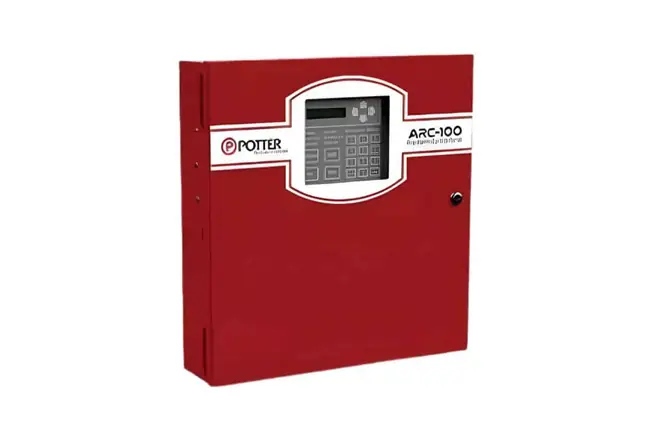
This is another reason to prepare staff, not just managers. When frontline employees know the basic facts, they are less likely to give conflicting statements, guess at causes, or send occupants in circles. They can simply direct questions to the right person and stick to confirmed information. That steadiness matters during a fire marshal inspection Colorado properties may face before, during, or after system work.
Restoration deserves as much communication as the outage
One last point gets missed all the time: staff should be told when protection is fully restored. Not partly restored, not “pretty much done,” not “the contractor left.” Fully restored, verified, and back in normal status under the applicable process.
That closure matters because temporary habits can linger. If people were told to avoid an area, they may keep avoiding it. If they were told to use a backup reporting method, they may keep doing that too. Restoring confidence is part of restoring protection.
For building teams managing fire protection Denver metro properties, the cleanest closeout usually includes a short update that states the outage has ended, identifies the system restored, and notes that normal procedures are back in effect. Keep the supporting records with the rest of the maintenance and inspection file. If the work involved fire suppression system inspection Denver documentation, a repair sequence, a permit-driven change, or related testing such as backflow preventer testing Denver schedules or fire extinguisher service Denver records, file it where the next person can actually find it.
Prepared staff cannot eliminate the risk that comes with a temporary impairment. What they can do is shrink confusion, shorten response time, and support a building team that is trying to manage the outage responsibly. That is the difference between a tense but controlled day and a day where small mistakes stack up. In commercial buildings, that difference is worth planning for every single time.